Caldrix Termite Defense logoCaldrix Termite Defense
Subterranean Termite Remediation · Palmyra, WI

Pest Control Service

Locating a reliable pest control service in Palmyra near me requires an engineering-first approach that addresses soil conditions, forest interfaces, and foundation vulnerabilities. We isolate entry pathways, inspect structural timbers, and execute targeted applications that halt active colonies without indiscriminate chemical broadcasting.
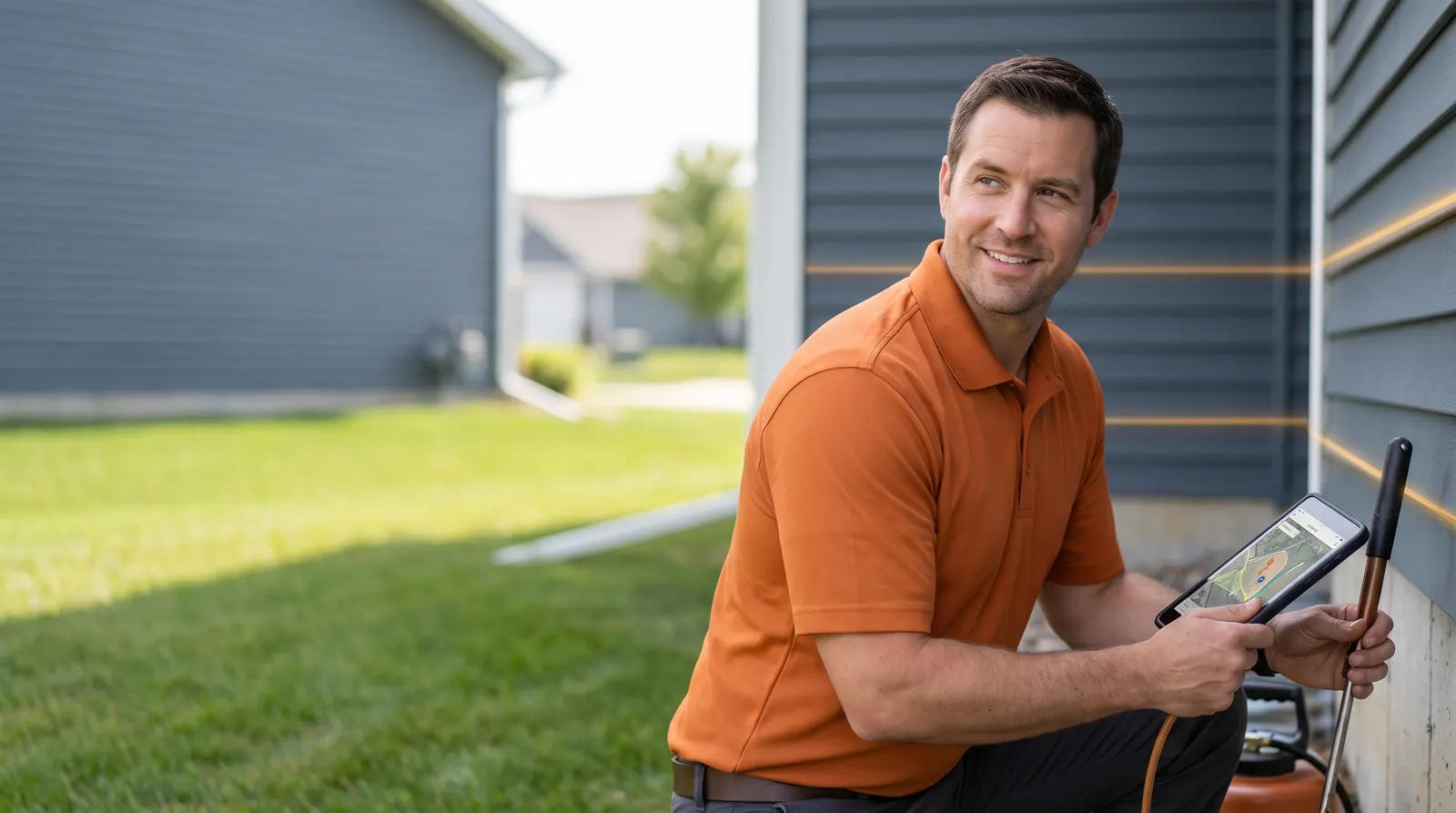
Talk to a real Palmyra pro

No forms — call now for a fast, no-pressure quote.

📞 Call (262) 588-5424
Subterranean Termite RemediationCarpenter Ant Structural EliminationWhole-Home Rodent Exclusion & Trapping
Pest Control Service in Palmyra, WI
Subterranean Termite Remediationin Palmyra, WI

How does professional Pest Control Service protect homes in Palmyra?

Pest Control Service in Palmyra is a disciplined structural defense and targeted extermination process that eliminates active infestations and reinforces foundation perimeters against wood-destroying insects and environmental pests.

Why Palmyra homeowners choose Caldrix Termite Defense

  • Initial on-site structural diagnostic inspections identify active wood-destroying organisms, foundation entry pathways, and crawlspace moisture profiles starting at $250.
  • Subterranean termite defense systems deploy non-repellent liquid soil barriers and sub-slab injections that intercept foraging colonies before framing members suffer structural compromise.
  • Targeted carpenter ant remediation isolates parent and satellite colonies within moist wall voids, utilizing localized micro-injections rather than broad indoor surface sprays.
  • Comprehensive exterior rodent exclusion physically seals structural openings greater than one-quarter inch using 19-gauge galvanized steel mesh, copper mesh, and elastomeric polymers.
Subterranean Termite Remediation
Carpenter Ant Structural Elimination
Whole-Home Rodent Exclusion & Trapping
Our Expertise

Crafted with Precision

Every service reflects the same meticulous attention to detail — whether it's a single job or a larger pest control service project across Palmyra.
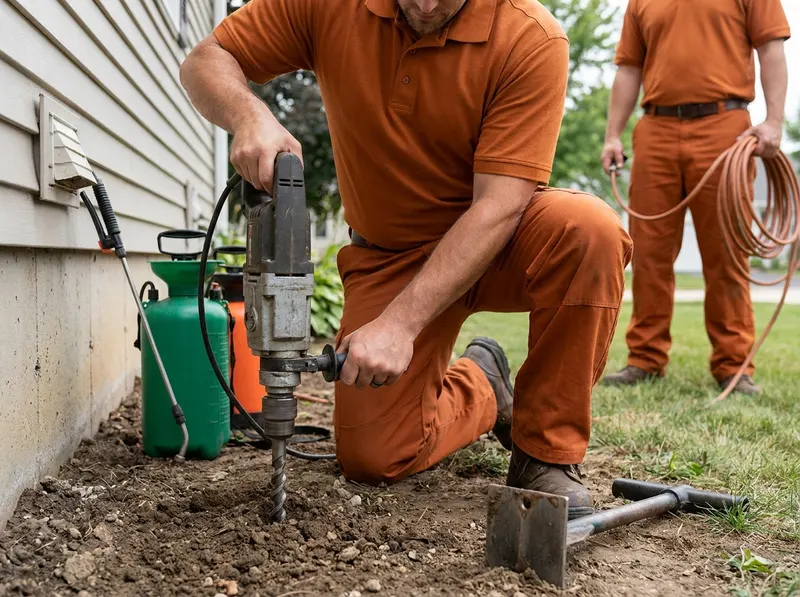
Subterranean Termite Remediation in Palmyra, WI

Subterranean Termite Remediation

Subterranean termites (Reticulitermes flavipes) represent a severe structural threat to Jefferson County residences, feeding relentlessly on structural wood framing, subflooring, and load-bearing sill plates. Our remediation protocol begins with an exhaustive structural acoustic and thermal evaluation of foundation perimeters, basement stem walls, and crawlspaces to locate active mud shelter tubes and hidden gallery networks. We establish an uninterrupted liquid defense barrier by trenching the exterior foundation perimeter and applying advanced non-repellent termiticides that bind directly to glacial till and sandy loam soils. Where structural slabs, attached garages, or concrete patios abut exterior foundation walls, our technicians perform precision core drilling at twelve-inch intervals to inject termiticides directly into sub-slab soil zones. Foraging worker termites unknowingly encounter and transfer the active chemistry throughout the subterranean colony, resulting in total colony elimination within sixty to ninety days. We verify application continuity along plumbing penetrations and chimney bases, ensuring complete structural isolation without persistent chemical odors inside living spaces.

View details →
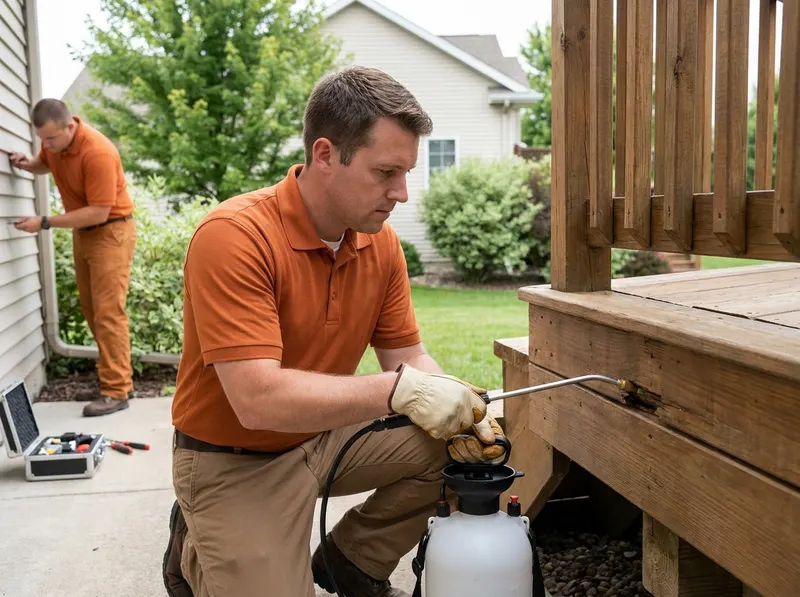
Carpenter Ant Structural Elimination in Palmyra, WI

Carpenter Ant Structural Elimination

Carpenter ants (Camponotus pennsylvanicus) do not consume lumber for nutritional sustenance but excavate extensive smooth-walled galleries within structural framing to house nesting colonies. Homes situated near dense hardwood canopies in the Palmyra area are especially prone to satellite colony expansion into roof trusses, window headers, and moisture-compromised sill plates. Our eradication methodology rejects superficial baseboard spraying in favor of forensic colony locating and localized structural injection. Technicians track foraging trails back to primary nesting sites using specialized acoustic probes and moisture meters, identifying damp structural framing caused by roof leaks, plumbing condensation, or high humidity. Once nests are located within wall cavities or floor joists, we execute precision micro-injections of non-repellent aerosol formulations and apply long-lasting borate mineral treatments directly to damaged timber fibers. This dual-action process eradicates active satellite and parent queens while protecting structural timbers against future fungal rot and re-infestation.

View details →
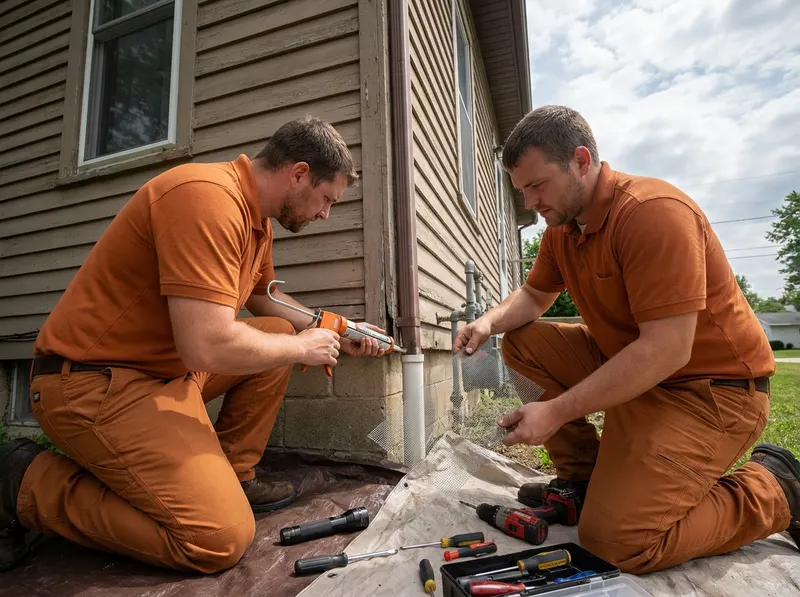
Whole-Home Rodent Exclusion & Trapping in Palmyra, WI

Whole-Home Rodent Exclusion & Trapping

Field mice, deer mice, and Norway rats consistently seek thermal refuge inside residential basements, crawlspaces, and attic insulation when ambient temperatures drop across southeastern Wisconsin. Rather than relying solely on temporary poison bait stations that leave dead rodents decaying inside wall voids, our defense strategy prioritizes permanent mechanical exclusion. We conduct a rigorous structural audit of the entire building exterior, identifying structural gaps, loose foundation vents, uncapped chimney flues, HVAC line-set penetrations, and garage door weatherstripping failures. Our technicians mechanically seal every vulnerable breach measuring one-quarter inch or larger using rustproof 19-gauge galvanized hardware cloth, woven copper mesh, and heavy-duty silicone sealants. Concurrently, we deploy interior mechanical trapping stations within targeted utility areas, crawlspaces, and attics to eliminate all trapped rodents rapidly and humanely. We perform follow-up inspections to reset capture devices, verify zero entry activity, and confirm the long-term structural integrity of all exterior exclusionary seals.

View details →
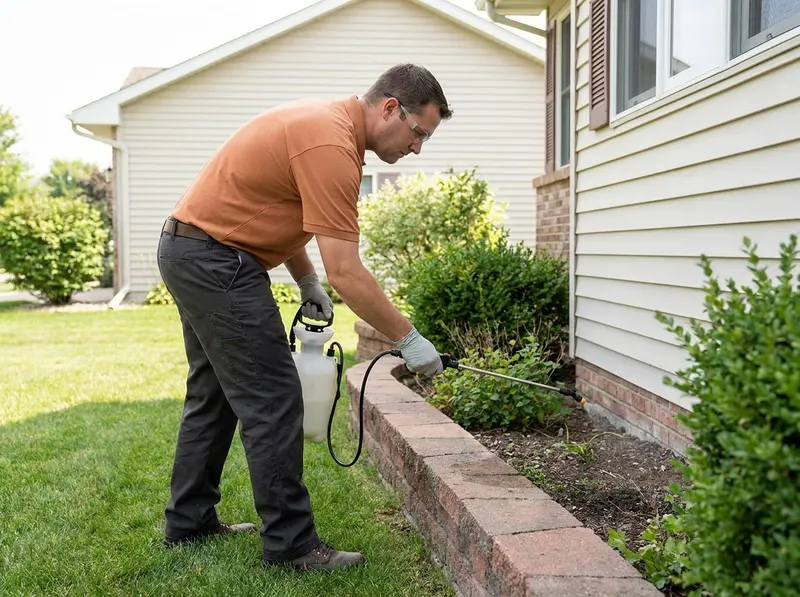
Exterior Perimeter Barrier Defense in Palmyra, WI

Exterior Perimeter Barrier Defense

Preventing nuisance crawling insects from penetrating residential living spaces requires a resilient multi-tier chemical and physical perimeter barrier. Our exterior defense service targets common regional invaders including pavement ants, wolf spiders, boxelder bugs, brown marmorated stink bugs, millipedes, and centipedes before they reach interior thresholds. We apply micro-encapsulated liquid formulations to the foundation stem wall, extending two feet up the exterior masonry and three feet outward across adjacent soil and gravel beds. Special care is taken to treat critical structural entry junctions, including exterior sill plates, basement window wells, weep holes, crawlspace vents, electrical service conduits, and exterior door kick-plates. These weather-resistant micro-capsules adhere firmly to brick, stone, poured concrete, and rough siding, maintaining residual stability through heavy seasonal rain and ultraviolet exposure. By arresting pest activity at the exterior envelope, we maintain clean, pest-free interior living environments without broadcasting chemical treatments across finished living spaces.

View details →
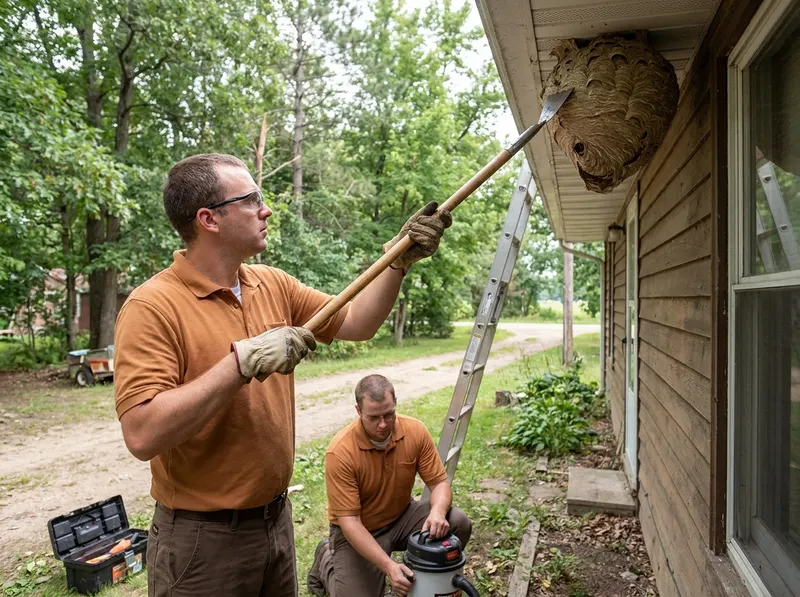
Stinging Insect Nest Extraction in Palmyra, WI

Stinging Insect Nest Extraction

Stinging insect infestations involving bald-faced hornets, aerial yellowjackets, subterranean German yellowjackets, and paper wasps present immediate physical hazards to property owners and structural integrity. Our extraction technicians utilize specialized protective apparatus, high-reach application lances, and localized knockdown formulations to neutralize aggressive colonies rapidly and safely. For aerial nests situated in roof eaves, second-story soffits, and dense perimeter trees, we inject targeted pyrethroid compounds directly into the central comb core, neutralizing the defending population within minutes before physically extracting and disposing of the paper nest structure. For subterranean yellowjacket nests situated in lawn turf, rock retaining walls, or garden beds, we flood entry tunnels with fast-acting residual agents to ensure total eradication of newly emerging adults. We inspect exterior building perimeters for secondary nesting activity, treating exposed void openings and attic gable vents to deter newly mated queens from establishing fresh colonies next spring.

View details →
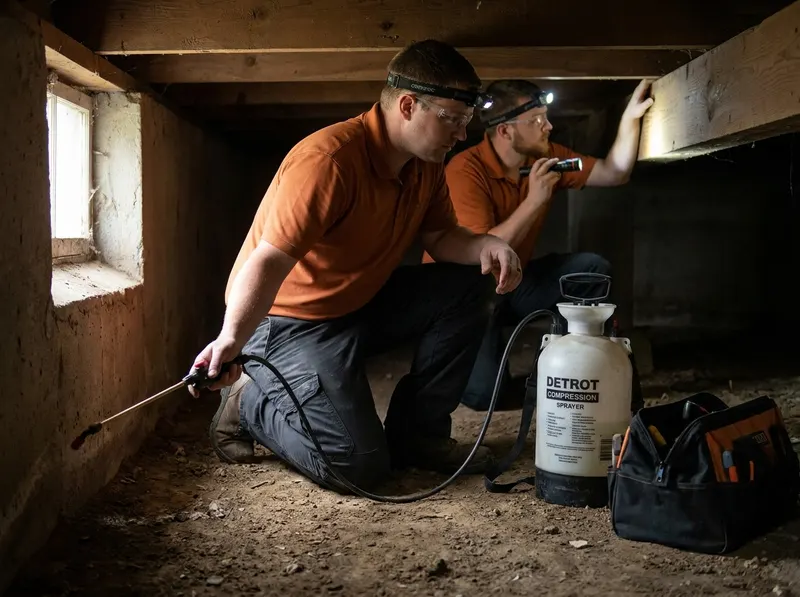
Subterranean Crawlspace & Basement Pest Management in Palmyra, WI

Subterranean Crawlspace & Basement Pest Management

Unfinished basements, stone foundation cellars, and vented crawlspaces create humid, dark subterranean micro-climates that foster persistent infestations of silverfish, camel crickets, sowbugs, ground beetles, and wood-boring powderpost beetles. Our subterranean management program systematically remediates these hidden damp environments by eliminating both target pest populations and the micro-environmental conditions that support them. We perform deep structural inspections of floor joists, ledger boards, support posts, and perimeter band sills, evaluating framing moisture percentages with digital pin meters. Technicians apply targeted residual dust formulations into hidden structural voids, foundation block cores, and expansion joints where moisture-dependent insects shelter and reproduce. Where active wood-boring beetle exit holes or powder-fine frass are detected, we treat unfinished timber surfaces with penetrating disodium octaborate tetrahydrate solutions to halt wood consumption. Our balanced technical approach restores baseline structural durability and prevents secondary insect migrations into finished upper living areas.

View details →
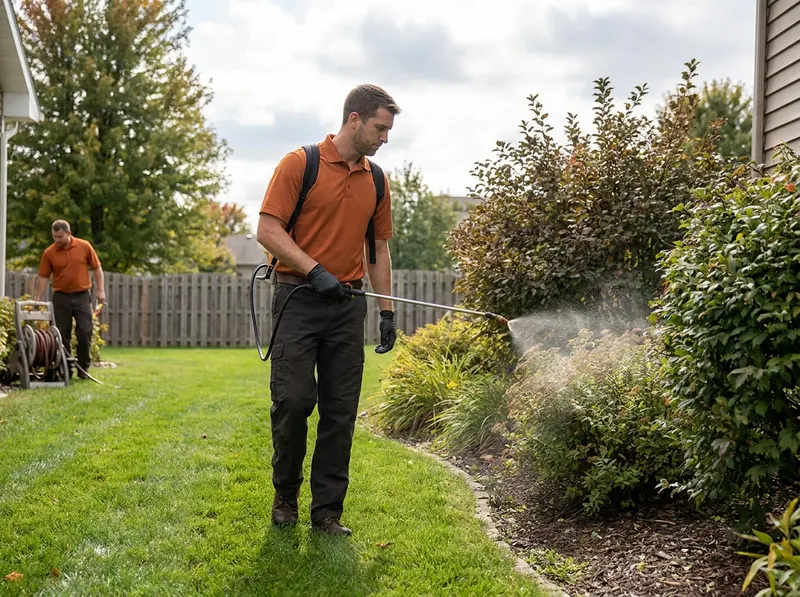
Seasonal Mosquito & Tick Yard Suppression in Palmyra, WI

Seasonal Mosquito & Tick Yard Suppression

Properties adjoining Kettle Moraine hardwood stands, wetlands, and lake boundaries experience substantial seasonal surges of blacklegged (deer) ticks, American dog ticks, and inland floodwater mosquitoes. Our seasonal vector management program focuses on strategic habitat suppression to significantly reduce biting insect density across outdoor living spaces. We map your parcel to delineate high-risk zones, including shaded perimeter brush, transitional tall grass, mulch borders, low-lying groundcover, and under-deck moisture pockets. Utilizing gas-powered mist-blowers calibrated for optimum droplet dispersion, our technicians apply specialized botanical or residual synthetic formulations that adhere to the underside of broadleaf foliage where mosquitoes roost during daytime heat. Simultaneously, we lay down targeted tick barrier applications along perimeter property boundaries and woodland transitional corridors to disrupt the lifecycle of questing nymphal ticks. Our precision applications avoid flowering pollinator plants, vegetable gardens, and surface water features, ensuring responsible and targeted environmental protection.

View details →
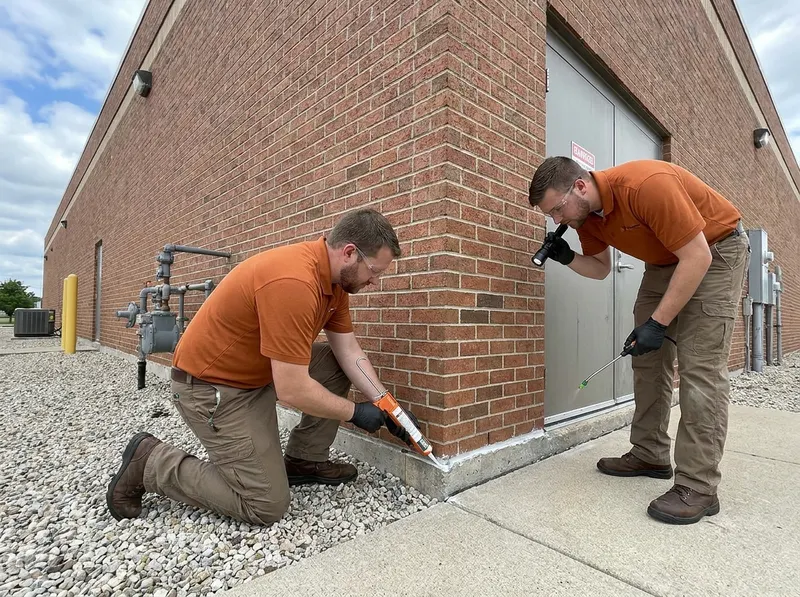
Commercial Facility Structural Pest Defense in Palmyra, WI

Commercial Facility Structural Pest Defense

Commercial enterprises, light manufacturing warehouses, storage facilities, and food-service establishments require rigorous, verifiable pest suppression protocols that strictly satisfy commercial health codes and sanitation regulations. Our commercial structural defense services deliver methodical, audit-ready pest management customized to the architectural and operational realities of your facility. We implement Integrated Pest Management (IPM) protocols that emphasize facility hardening, exterior perimeter containment, non-toxic monitoring matrices, and targeted structural void applications. Our technicians inspect loading dock seals, overhead door sweeps, exterior refuse enclosures, drop-ceiling utility chases, and mechanical equipment rooms to eliminate harborage zones for German cockroaches, stored-product beetles, and commensal rodents. Every commercial service includes detailed digital reporting documenting device activity, structural vulnerability observations, chemical lot numbers, and actionable sanitation recommendations to ensure ongoing regulatory compliance and total asset protection.

View details →

Pest Control Service in Palmyra is a disciplined structural defense and targeted extermination process that eliminates active infestations and reinforces foundation perimeters against wood-destroying insects and environmental pests.

  • Initial on-site structural diagnostic inspections identify active wood-destroying organisms, foundation entry pathways, and crawlspace moisture profiles starting at $250.
  • Subterranean termite defense systems deploy non-repellent liquid soil barriers and sub-slab injections that intercept foraging colonies before framing members suffer structural compromise.
  • Targeted carpenter ant remediation isolates parent and satellite colonies within moist wall voids, utilizing localized micro-injections rather than broad indoor surface sprays.
  • Comprehensive exterior rodent exclusion physically seals structural openings greater than one-quarter inch using 19-gauge galvanized steel mesh, copper mesh, and elastomeric polymers.
  • Service protocols provide transparent upfront pricing with zero mandatory recurring service subscriptions or unneeded chemical contracts.
The Caldrix Termite Defense standard

Why Palmyra keeps calling us back

01

A clear, written price

You get a firm, itemized quote for your pest control service before any work begins — no surprises, no pressure.

02

Your property, protected

Careful prep, tidy work, and a full cleanup when we are done. We treat your home and belongings like our own.

03

One crew, start to finish

The same trusted, background-checked team from the first call to the final check.

Buyer's guide

How to choose the right pro

Selecting the correct structural defense protocol depends on whether your home experiences active biological degradation of load-bearing wood, seasonal perimeter foraging breaches, or rodent invasions within building envelopes. If your foundation displays mud shelter tubes along block walls, discarded alate swarmer wings on basement window sills, or hollow-sounding rim joists, choose comprehensive subterranean termite remediation. This protocol establishes continuous horizontal and vertical liquid termiticide barriers along sub-slab footings, preventing subterranean workers from bridging soil to wood. If you observe frass piles containing insect fragments, fine wood shavings beneath structural floor joists, or ant activity trailing electrical conduits, select targeted carpenter ant remediation. This approach utilizes void injection and borate-based wood treatments directly into infested framing members rather than non-targeted broadcast sprays. If structural sound audits reveal nocturnal scratching in ceiling cavities or droppings along crawlspace sills, choose physical rodent exclusion paired with interior mechanical trapping. The operational trade-off between exterior perimeter defense and full structural remediation involves chemical placement depth and application invasiveness: exterior perimeter barriers establish an impenetrable surface band around foundation masonry to repel nuisance invaders with minimal site disruption, whereas active wood-destroying organism defense necessitates concrete core drilling, perimeter trenching, and direct sub-surface liquid injections to neutralize established colonies within the architectural envelope.

Investment

What it costs

Every project gets a firm, written price after a free on-site visit. Ranges below for orientation.

Comprehensive Initial Inspection & Diagnostic Assessment$250 – $375
Targeted Exterior Perimeter Defense Treatment$250 – $450
Carpenter Ant Void & Perimeter Remediation$325 – $650
Whole-Home Rodent Exclusion & Initial Trapping$350 – $850
Subterranean Termite Barrier Application (Trenching/Drilling)$950 – $2,400
Stinging Insect Nest Abatement & Physical Extraction$250 – $425
Crawlspace & Basement Subterranean Moisture Pest Defense$375 – $750
Seasonal Mosquito & Tick Yard Suppression (Per Application)$250–$325
Commercial Facility Pest Audit & Initial Remediation$350 – $950
Free, no-pressure estimate

Ready to get it done right?

Tell us about your pest control service job and we'll send a clear, written quote — usually the same day. Or just call and talk to a real Palmyra pro.
(262) 588-5424
Where we work

Areas we cover

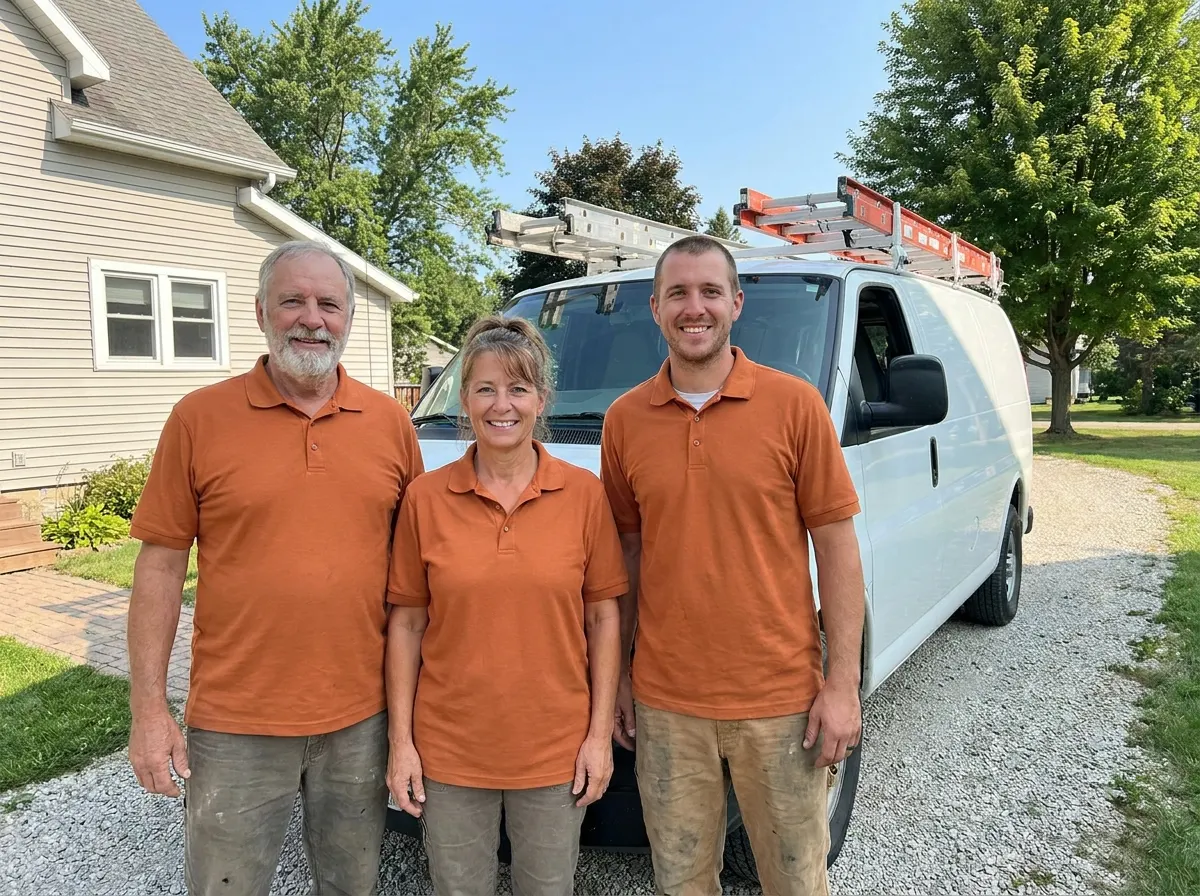
Caldrix Termite Defense pest control service team in Palmyra, WI

Palmyra's distinctive ecological and geological positioning within southeastern Jefferson County creates specific, highly demanding pest pressure dynamics for residential and commercial structures. Properties situated immediately adjacent to the Kettle Moraine State Forest - Southern Unit and the Scuppernong Springs Nature Trail encounter continuous biological exposure from damp-wood decay organisms, thriving carpenter ant colonies, and aggressive autumnal rodent migrations driven by expansive oak, maple, and pine stands. Furthermore, the sandy glacial outwash soils, variable gravel deposits, and high seasonal groundwater tables surrounding Lower Spring Lake, Blue Spring Lake, and the Scuppernong River basin foster localized high-humidity micro-climates that accelerate wood rot and attract subterranean termites directly toward foundation sills. Many historic and mid-century residences along the Taft Street Corridor, Downtown Palmyra, and the Zion Road District feature mixed foundation engineering—incorporating historic fieldstone walls, unreinforced concrete masonry units, and modern poured foundations that have developed settling cracks and unsealed mortar joints over decades of severe Wisconsin freeze-thaw cycles. Our specialized structural pest control protocols are engineered to withstand these exact regional environmental challenges, utilizing soil-binding termiticides, moisture-stable perimeter micro-capsules, and heavy-gauge mechanical exclusion materials that remain permanently intact against harsh winter conditions and high summer humidity.

Lower Spring LakeBlue Spring LakeSpring Lake EstatesDowntown PalmyraAurelian SpringsScuppernong Springs AreaZion Road DistrictTaft Street Corridor
Questions

Common questions

How do I determine if wood damage in my Palmyra home is from carpenter ants or subterranean termites?
Differentiating carpenter ant damage from subterranean termite damage requires evaluating the texture, cleanliness, and structural pattern of the affected framing timbers. Subterranean termites consume wood cellulose, excavating ragged, muddy galleries along the soft annual rings of the wood grain while leaving behind damp soil, fecal plastering, and mud shelter tubes on adjacent foundation masonry. Conversely, carpenter ants do not ingest structural lumber; they carve out clean, smooth-walled nesting chambers that appear sandpapered, ejecting fine sawdust-like frass containing insect parts through narrow slit-like openings. If you discover hollow framing or timber galleries, a professional structural diagnostic evaluation using acoustic probes and moisture meters will definitively confirm the active biological species, allowing us to implement the correct chemical barrier or structural void injection protocol.
Will subterranean termite barrier treatments contaminate well water on rural Palmyra properties?
Modern non-repellent liquid termiticides, such as fipronil formulations, possess exceptionally low water solubility and bind tenaciously to organic matter and soil particles within glacial till and sand matrices. When applied according to strict engineering standards, these compounds do not leach downward into underlying domestic aquifers or migrate into adjacent lake basins. Prior to conducting any subterranean liquid application in rural Jefferson County, our technicians perform a comprehensive site mapping audit to identify private well heads, cisterns, sub-slab drainage sumps, and regional groundwater elevations. We strictly maintain required regulatory setback distances, employing alternative localized direct wood treatments or specialized shallow sub-slab injection methods whenever proximity to private water supplies warrants heightened caution.
Why do mice and rodents frequently invade homes near the Kettle Moraine forest edge every autumn?
As ambient temperatures decline sharply across southeastern Wisconsin from late September through November, native rodent populations—including white-footed mice, deer mice, and house mice—experience diminishing wild food sources and intense thermal pressure. The expansive hardwood and conifer canopies of the Kettle Moraine State Forest support massive outdoor rodent populations that naturally forage outward toward residential building envelopes. Field mice possess flexible skeletal structures allowing them to penetrate exterior foundation gaps, uncapped siding junctions, and utility penetrations as narrow as one-quarter inch. Once inside, they establish nests in warm fiberglass insulation and gnaw on electrical wiring. Installing heavy-gauge physical exclusion materials across all exterior foundation-to-framing transitions stops these seasonal structural breaches permanently.
Do I have to commit to a multi-year recurring contract for pest control in Palmyra?
No, we do not require property owners to sign multi-year or long-term recurring service contracts for pest remediation in Palmyra. Our operating philosophy focuses on delivering precise, authoritative corrective interventions that eradicate active biological infestations and structurally harden your home against future entry. We offer single-event targeted corrective treatments—such as full termite colony elimination, carpenter ant void eradication, or physical rodent exclusion—backed by comprehensive diagnostic assessments. For homeowners seeking continuous exterior defense against seasonal invaders like boxelder bugs, spiders, and stinging insects, we provide optional, non-binding seasonal perimeter protection plans that can be scheduled purely according to your property's environmental exposure level.
What specific diagnostic procedures are included in an initial on-site structural pest inspection in Palmyra?
An initial on-site structural diagnostic inspection involves an exhaustive, systematic audit of your property's physical envelope, structural framing, and surrounding biological interfaces. Our certified technician conducts a thorough examination of exterior foundation masonry, checking for mud shelter tubes, mortar degradation, settlement cracks, and unsealed utility entry points. We inspect critical interior framing junctions—including sill plates, rim joists, floor beams, crawlspace piers, and basement window headers—using specialized sounding mallets, digital moisture meters, and high-intensity optical probes to locate hidden wood rot and insect galleries. Additionally, we evaluate attic insulation for rodent tunneling, audit exterior eaves and soffits for stinging insect nests, and deliver a detailed, itemized report outlining exact structural risks alongside transparent corrective pricing.
Are pest control chemicals safe for domestic pets and indoor air quality in Palmyra residences?
Our treatment protocols prioritize targeted, micro-localized structural applications and exterior perimeter defense, virtually eliminating unnecessary indoor airborne chemical exposure. When interior remediation is required for carpenter ants or wood-boring pests, we inject precision formulations directly into enclosed wall voids, structural framing cavities, and unfinished crawlspaces where family members and domestic pets cannot make contact. For exterior perimeter barriers, we utilize low-volatility, odorless micro-encapsulated products that adhere securely to masonry and sub-siding junctions. Once liquid perimeter barriers have fully dried—typically within sixty to ninety minutes—the treated surfaces present no vapor hazard or contact risk, ensuring family safety while maintaining a lethal barrier against structural pests.
How does the high water table near Lower Spring Lake and Blue Spring Lake affect pest activity?
High seasonal water tables and damp soil profiles surrounding Lower Spring Lake, Blue Spring Lake, and the Scuppernong River basin generate substantial hydrostatic pressure and elevated relative humidity in residential basements and crawlspaces. Chronic foundation dampness softens structural sill plates and band joists, creating optimal conditions for wood-decay fungi, which release chemical volatiles that attract subterranean termites and wood-boring beetles. Furthermore, high subterranean moisture draws moisture-dependent pests such as silverfish, fungus gnats, camel crickets, and millipedes directly into foundation expansion joints. Our treatment strategies account for these hydro-geological conditions by incorporating moisture-stable chemical barriers, localized borate wood preservatives, and perimeter drainage recommendations to protect moisture-exposed framing.
What should I do immediately if I discover a swarm of winged insects inside my Palmyra living room?
If you observe a sudden emergence of winged insects inside your home, do not panic, vacuum them up aggressively, or apply generic over-the-counter aerosol bug sprays, as this can scatter the insects and obscure critical diagnostic evidence. First, carefully capture several intact specimens in a clear sealed container or plastic bag so our technicians can examine their anatomical features under magnification. Take clear, close-up photographs of the insects and note the exact location where they emerged from baseboards, window trim, or plumbing cutouts. Differentiating between harmless winged ant swarmers (elbowed antennae, pinched waists, unequal wing pairs) and destructive subterranean termite alates (straight antennae, broad waists, equal-length translucent wings) is vital for determining whether an immediate sub-slab structural intervention is necessary.
How quickly can an emergency stinging insect nest removal be performed in Palmyra?
When stinging insect colonies such as bald-faced hornets or aggressive yellowjackets construct nests near entry doorways, under low deck framing, or within exterior wall cavities, they pose immediate health risks to family members and pets. We prioritize urgent stinging insect abatement across Palmyra and surrounding Jefferson County communities, offering rapid response windows to neutralize active hazards. Our technicians arrive equipped with professional personal protective armor, specialized knockdown agents, and extraction tools to eliminate active worker defenses on contact. We physically remove accessible exterior aerial nests and treat hidden structural entrance voids with long-lasting residual dusts to intercept returning foragers, restoring safe access to your yard and living spaces without delay.
How do freeze-thaw cycles in Jefferson County impact exterior rodent and insect exclusion seals?
Southeastern Wisconsin experiences extreme thermal fluctuations throughout winter and spring, causing structural building materials like poured concrete, fieldstone mortar, vinyl siding, and wood framing to expand and contract repeatedly. Standard hardware store caulk and expanding foam sealants quickly crack, pull away, or degrade under these mechanical stresses, allowing mice and foraging insects to exploit new gaps along foundation sills. To ensure permanent exclusionary defense, our technicians install premium elastomeric structural sealants that retain elastomeric flexibility across broad temperature ranges (-40°F to 200°F), paired with heavy-gauge 19-gauge galvanized steel mesh that cannot be gnawed through by rodents or dislodged by frost-heave movement.

Ready to get started?

Free estimates for Palmyra & the surrounding area.

Palmyra Pest Control Service guides

How much does routine pest control service cost in Palmyra WI? — Pricing Guide →What is the cost of carpenter ant extermination in Palmyra? — Complete Guide →Can Palmyra pest control companies provide same-day wasp nest removal? — Complete Guide →Rodent Exclusion Inspection in Palmyra WI →